Top Garage Door Accessories in Parker for Better Home Security
Garage doors are often the largest moving entry point in a home, and in many houses they are used more often than the front door. That matters in Parker, where attached garages are common, families come and go all day, and a side street that feels quiet can still offer easy cover for someone testing handles or watching routines. A secure front door means less if the garage becomes the weak spot.
Homeowners usually focus on the door itself, the opener, the spring system, or curb appeal. Accessories tend to get treated as add-ons. In practice, the right accessories can close security gaps that a standard installation leaves behind. They can also make daily use safer and more predictable, which is part of security too. If your garage door sometimes gets left open by accident, if your opener is more than a few years old, or if your detached garage feels vulnerable after dark, accessories can make a noticeable difference without requiring a full replacement.
The best choices depend on how the garage is used. A family storing bikes, tools, and a freezer has a different risk profile than a homeowner parking one car and little else. A detached garage near an alley needs different protection than an attached garage beneath a bedroom. That is why the conversation around Garage Door Accessories Parker homeowners actually need should be practical, not trend-driven.
Security starts with the opener controls
The accessory I recommend discussing first is not the most exciting one. It is the control system around the opener, especially the remote setup, keypad, and smartphone access. Most garage break-ins are not dramatic. They happen because someone finds an easy path, spots an old remote clipped in a visible vehicle, guesses a weak keypad code, or takes advantage of a door left open overnight.
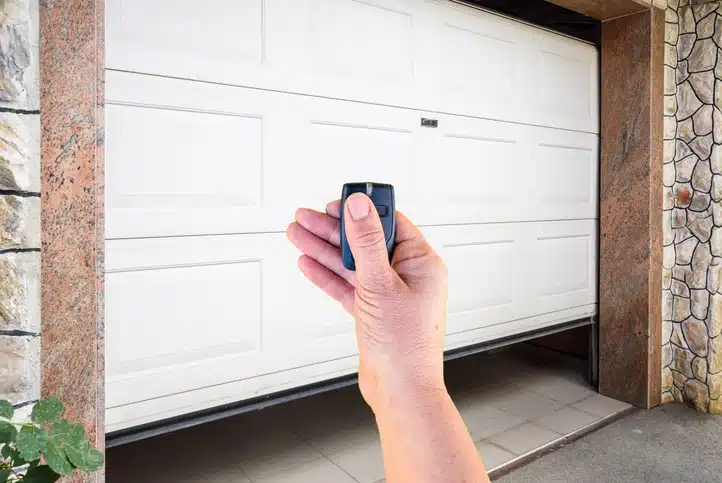
Modern rolling-code remotes are a major step up from older fixed-code devices. Fixed-code systems can be vulnerable because the signal does not change. Rolling-code systems generate a new code each time the remote is used, which makes code grabbing far less practical. If your opener is old enough that you are not sure what type it uses, that uncertainty alone is worth addressing.
A wireless keypad mounted outside the garage can improve security when it is chosen and used well. The mistake is installing one and then setting the code to a house number, a birthday, or a four-digit pattern every family member can remember in five seconds. A keypad is useful because it reduces the need to hide keys, leave remotes in cars, or prop open a side door for convenience. It becomes a liability only when the code is too obvious or never changed.
Smartphone control adds another layer of oversight. The strongest feature is not opening the garage from your phone. It is knowing whether the door is open, closed, or left in between. That solves a common real-world problem. People back out, answer a call, get halfway to I-25, and suddenly wonder whether the door fully shut. With a connected controller, they can check and close it remotely. Many systems also log activity, which helps households keep track of who opened the garage and when.
This category alone can tighten security significantly:
- Upgrade to rolling-code remotes if your system still uses older fixed-code technology.
- Add a keypad, but use a non-obvious code and change it periodically.
- Install a smart controller that sends open and close alerts.
- Remove remotes from parked vehicles when possible, especially if cars stay outside.
- Reprogram all devices immediately after moving into a home.
That last point gets missed often. I have seen homeowners replace locks at the front door but keep using the garage exactly as the previous owner left it. If old remotes are still out there, you have no idea who can enter.
A smart garage camera does more than record
A camera inside or just outside the garage is one of the most useful accessories available today, provided it is placed thoughtfully. People tend to think of cameras as evidence tools, and they can serve that purpose. Their bigger value is deterrence and real-time awareness. If you receive a motion alert from the garage at 11:40 p.m., you can respond before a theft is complete.
Placement matters. A camera aimed at the full door area and the interior floor space near stored valuables is more useful than a wide shot of the ceiling and rafters. For attached garages, I like to see one clear angle that captures the overhead door and another point of visibility toward the Garage Door Accessories Parker interior access door if the layout allows it. For detached garages, the exterior approach matters more, especially if the building sits behind fencing or away from street view.
The trick is to avoid treating a garage camera like a generic indoor camera. Garages in Parker can swing through tough seasonal temperature ranges. Electronics that behave well in a climate-controlled living room may fail or degrade in a garage that gets hot in summer and sharply cold in winter. Look for devices rated for the environment where they will actually live.
Night vision and motion zones are worth paying for. Good motion zoning reduces nuisance alerts caused by shadows, insects, or headlights sweeping through windows. Two-way audio can help in some cases, though I would not call it essential. A bright spotlight feature can be useful at detached garages, but at attached garages in close neighborhoods it needs careful adjustment so you do not punish your own family or the neighbors every time a raccoon walks by.
Motion lighting remains one of the cheapest wins
Good lighting changes behavior. A garage side entry, driveway approach, or dark service door that remains shadowed all night invites curiosity. Motion-activated lighting is a straightforward accessory, but it works best when the installation reflects how people actually move around the property.
Driveway-facing lights should trigger early enough that someone approaching the garage cannot stand in darkness while testing handles or checking windows. Side-yard fixtures should illuminate the walk path and the lock area, not just blast light onto the fence. Interior motion lighting in the garage is another underrated improvement. It reduces the habit of leaving side doors cracked or overhead doors open because someone expects to come back in a minute and does not want to fumble with switches.
I have seen homeowners spend generously on cameras and then leave a detached garage in near darkness. The result is predictable. The camera records a grainy figure in a hood. Better lighting would have made the person think twice or at least produced a clearer image. Security accessories work best as a system, not as isolated gadgets.
Manual slide locks and shielded latches still have a place
People sometimes assume every security upgrade has to be electronic. That is not true. A quality manual slide lock on the inside of the garage door can be very effective when used at the right times, particularly during vacations or extended absences. It physically prevents the door from being lifted even if the opener is compromised.
This kind of accessory does require discipline. You cannot engage a manual lock and then forget it is set before running the opener. That can damage the opener or the door. For households that rarely remember to disengage it, a lock with a visual indicator helps. For seasonal travelers, it is a smart extra layer.
Shielding the emergency release is another practical measure. The red emergency release cord is important for safety. It must remain functional. But in some door designs, a thief can fish for it through the top of the door with a simple tool and disengage the opener. There are garage shield accessories designed to reduce this risk without preventing legitimate emergency use. They are not appropriate for every setup, but on some standard sectional doors they solve a known vulnerability for very little cost.
A side service door deserves the same scrutiny. If the garage has a cheap builder-grade knob lock, no deadbolt, and a thin frame, then all the accessories on the overhead door only solve part of the problem. Sometimes the best garage security investment is a reinforced side entry with a quality deadbolt, longer strike plate screws, and proper lighting.
Door and tilt sensors catch the problems people miss
One of the more valuable smart accessories is the door position sensor, sometimes called a tilt sensor or open-close sensor. This device confirms whether the garage door is actually closed rather than merely commanded to close. That distinction matters. A door can reverse because it hit an object, met resistance, or had a photo-eye issue, while the homeowner assumes everything is secure.
I like these sensors because they address a very common gap between intention and reality. Many people think they closed the garage because they pressed the button and heard the opener engage. They did not stay to verify it. If the sensor reports that the door remained open, you can act quickly.
For detached garages used for storage, adding individual contact sensors to side doors and windows can also make sense, particularly when tied into a broader home security system. A detached structure often sits outside normal household awareness. By the time someone notices missing tools, the event is long over. A sensor that sends an immediate alert gives the homeowner a chance to respond while something is still happening.
Battery backup is partly about convenience, partly about security
Battery backup for a garage door opener often gets marketed around convenience during power outages. That is true, but it also has a security angle. During an outage, people may leave the garage unsecured because the opener will not function normally, or they may manually open the door and delay closing it properly while dealing with flashlights, weather, or a vehicle.
A battery backup lets the opener continue operating for a limited number of cycles, enough to keep normal entry and exit controlled. In a region like Parker, where weather can shift quickly and outages are not impossible, that matters more than many people expect. If the garage serves as a primary household entry, battery backup reduces the chance that security habits fall apart at exactly the wrong time.
There is a practical limit here. Backup batteries age, and they need replacement. If you install one and never test it, you may discover years later that it offers no help. I advise homeowners to treat it like a smoke alarm battery in terms of periodic attention, though not with the same replacement schedule.
Reinforcement kits help when the door itself flexes
A garage door can have a perfectly decent opener and still be physically vulnerable. Lightweight doors, especially wider single panels or double-wide sectional doors, can flex under force. Wind is one concern. Forced entry is another. Reinforcement brackets, struts, and opener support kits stiffen the door and reduce strain at key points.
This is especially relevant if the opener pulls on a top section that shows bowing, shaking, or metal fatigue. From a security perspective, reinforcement makes it harder to exploit weak spots. From a maintenance perspective, it can extend the life of the system by reducing stress. The exact hardware depends on the door type and size, so this is one area where a generic online purchase is not always the right move.
There is also a judgment call to make. If the door is old, rusting, delaminating, or poorly balanced, accessories can only do so much. Reinforcement is useful when the underlying door is still serviceable. It is not a magic fix for a door that has reached the end of its practical life.
Photo eyes and safety sensors protect people and property, which protects the home
Home security discussions tend to chase intruders, but household safety is part of the same equation. Properly functioning photo eyes and obstruction sensors prevent the door from closing on a child, a pet, a bicycle, or a vehicle bumper. That is not just a convenience feature. A damaged door or opener can become a security issue if it will not close reliably afterward.
If your sensors are finicky, regularly misaligned, or mounted where they get bumped by storage bins, they deserve attention. Newer sensor accessories and protective brackets can improve reliability. This is especially important in busy garages where sports gear, lawn equipment, and kids create constant clutter near the track area.
I have been in garages where the homeowner thought the opener itself was failing, when the real culprit was a sensor knocked slightly out of alignment every few weeks. The effect was the same: the door sometimes stayed open, and nobody noticed until later. Reliable closure is one of the simplest forms of security.
Backup entry options should be planned, not improvised
One of the most avoidable garage security problems starts with lockouts. A homeowner gets locked out, hides a key outside, leaves a side window unlatched, or starts keeping the overhead door partially open whenever someone is expected home. Improvised access creates permanent weak points.
A better plan is to choose deliberate backup entry tools. A keypad is one. A well-managed smart lock on the side garage door can be another. For some households, a lockbox in a discreet location is appropriate, especially for older homeowners, caregivers, or trusted service access. The point is not to make the garage effortless for everyone. It is to prevent desperate convenience from undermining security.
These are the situations where I see the best return from well-chosen accessories:
- Homes where the garage is the primary daily entrance.
- Families with teens or multiple drivers using separate remotes.
- Detached garages storing expensive tools, bikes, or hobby equipment.
- Households that travel often and want remote oversight.
- Older opener systems with unclear security features.
When one or more of those conditions apply, accessories stop being optional extras and start functioning like core security components.
The case for an audible alarm or siren
A siren accessory tied to forced entry, unexpected motion, or door opening after certain hours is not right for every house, but it can be effective in specific settings. Detached garages, corner lots, and homes with larger setbacks often benefit more than tightly packed homes where every alert becomes a neighborhood event.
The reason I do not recommend sirens automatically is simple. False alarms train people to ignore them. A smart siren should be paired with sensors and settings that reflect the household routine. If someone leaves for work at 5:15 a.m., that should not trigger chaos. If the garage opens at 2:00 a.m. And no authorized phone is present, that is a different story.
An audible alarm works best as a pressure tool. It shortens the window for someone to stay and search. Most opportunistic thieves do not want noise. They want speed and privacy.
Not every accessory belongs on every garage
A secure garage setup is not about collecting devices. It is about closing the most likely gaps without adding complexity that the household will eventually bypass. I have seen expensive systems defeated by everyday annoyance. Notifications were too frequent, the keypad code was too hard to remember, the camera app was never checked, or the manual lock was so inconvenient that it was never used.
That is why matching accessories to habits matters as much as the hardware itself. A retired couple using the garage twice a day may benefit most from brighter exterior lighting, a simple camera, and a reliable keypad. A busy household with children, package deliveries, and multiple vehicles may gain more from smartphone alerts, individualized access controls, and interior monitoring. Someone with a detached workshop full of power tools may prioritize reinforced doors, door contacts, motion lighting, and a siren.
If you are evaluating Garage Door Accessories Parker contractors or suppliers offer, ask a few practical questions. How old is the current opener? Is the garage attached or detached? What valuables are stored there? Does the family regularly forget to close the door? Are there dark approach paths? Is there already a monitored security system in the home? Those answers shape the right plan far better than any generic best-of list.
Installation quality often matters more than the accessory brand
There are solid products across a range of price points. The bigger difference often comes from setup. A good camera mounted too high is less useful than a modest one aimed correctly. A keypad installed where it is exposed to every storm without protection may fail sooner than expected. Motion lights set too sensitively become background noise. A smart opener controller with poor Wi-Fi coverage will frustrate everyone and eventually be ignored.
Garage environments are hard on hardware. Dust, vibration, heat, cold, and occasional moisture all take their toll. Wires should be secured cleanly. Devices should be mounted where they will not be struck by tools, sports equipment, or vehicle mirrors. Batteries should be accessible enough that replacing them is realistic. The best security accessory is one that still works a year from now.
For that reason, homeowners should resist the temptation to treat every accessory as a quick Saturday gadget project. Some are easy DIY installs. Others benefit from professional setup, especially if they integrate with an opener, a wider alarm system, or hardwired power. There is no shame in paying for a cleaner, more reliable result when the accessory affects access to your home.
What to upgrade first if the budget is limited
Not every homeowner wants to overhaul the garage all at once. If the budget is tight, start with the areas that reduce the biggest real-world risks. Replace outdated remote technology. Add a smart controller or door sensor so you know the door status. Improve exterior lighting. Then consider a camera, a keypad, or reinforcement depending on the property layout.
That sequence works because it addresses the most common failures first: unauthorized access through weak controls, accidental open doors, and dark approach areas. More specialized additions like sirens, shielded emergency releases, or manual vacation locks can come afterward if the garage setup calls for them.
The goal is not perfection. It is a garage that no longer offers an easy opportunity. Most residential security is exactly that. You reduce exposure, remove convenience for intruders, and make sure you actually know what your door is doing day to day.
A garage door is not just a moving wall. It is a security system component, an access point, and in many homes the main threshold people trust without thinking much about it. The right accessories turn that trust into something deserved. For Parker homeowners, where garages often hold vehicles, tools, outdoor gear, and a direct path into the house, that is money well spent.
Select Garage Doors
11479 Pine Dr
Parker, CO 80134, United States
Phone: (303) 228-0018
FAQ About Garage Door Accessories Parker
Where can I find garage door accessories?
Garage door accessories are available from garage door service companies, authorized dealers, home improvement stores, and specialist suppliers. Select Garage Doors supplies and installs accessories for homeowners in Parker, including compatible remotes, wireless keypads, weather seals, and smart controls. Check your opener model and door specifications before choosing a replacement or upgrade.
How to make a garage door more attractive?
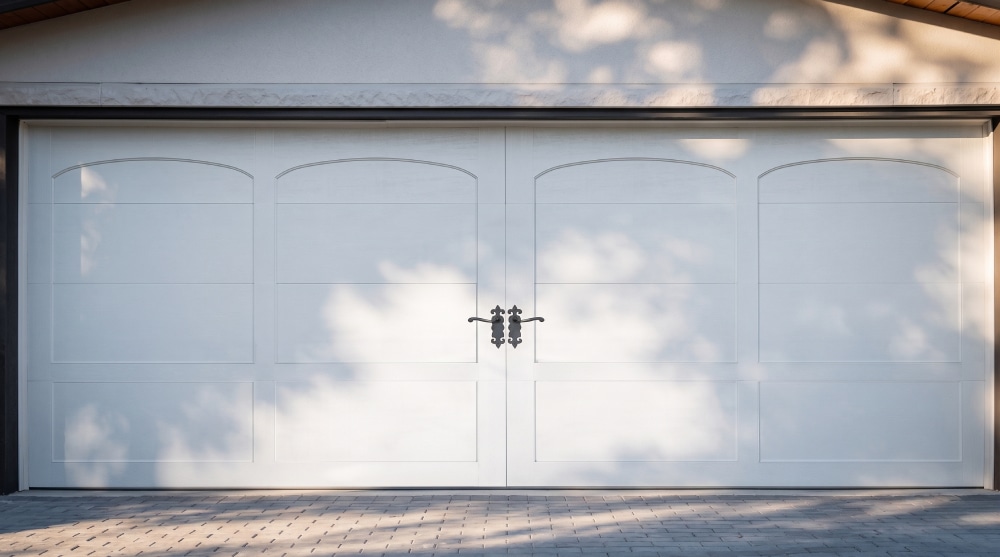
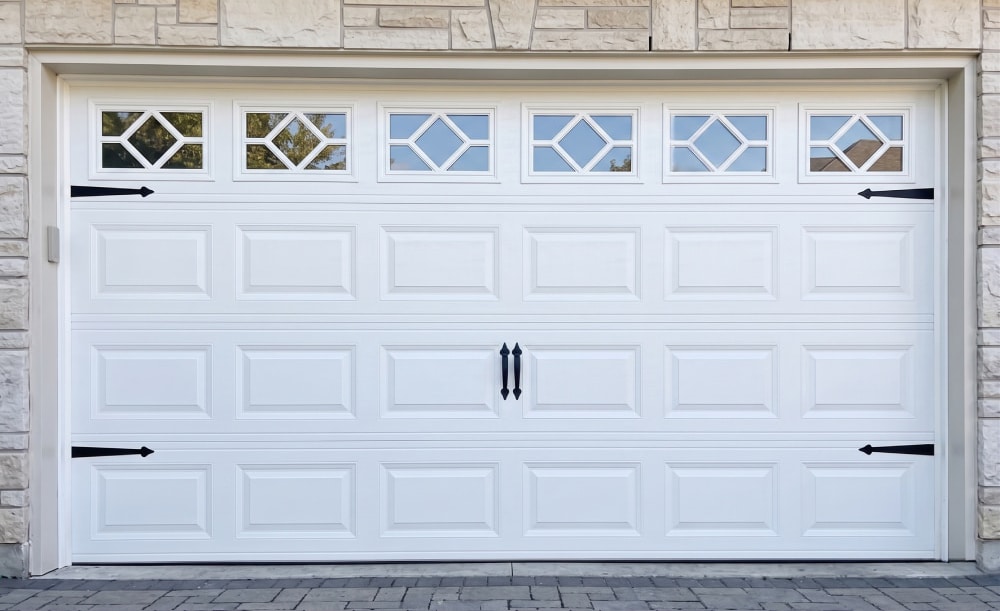
Cleaning the door, refreshing a manufacturer-approved finish, and choosing coordinated decorative handles or hinge accents can improve its appearance. Compatible window inserts may also change the look of an existing window section. Match accessories to the door material and style, and make sure added hardware does not interfere with movement, seals, or safety equipment.
Where can I buy garage door inserts?
Decorative window inserts can be sourced through the door manufacturer, an authorized garage door dealer, or a supplier that carries parts for your specific door series. Match the model, window frame dimensions, and attachment system; inserts are not universally interchangeable. Ask a professional to confirm compatibility before ordering, especially if the work involves glass or changes to a door section.