Complete Guide to Garage Door Accessories in Parker for Beginners
A garage door is easy to ignore until it starts making daily life harder. Most homeowners think first about the door itself, or the opener hanging from the ceiling, but the accessories around that system often shape how safe, quiet, convenient, and durable the whole setup feels. For a beginner in Parker, that matters more than it may seem at first glance. Local weather can swing from hot sun to snow, wind can push dust into every gap, and attached garages often sit right beside living spaces where noise and drafts become impossible to ignore.
When people search for Garage Door Accessories Parker, they are usually not looking for decorative extras. They want practical upgrades that solve a real annoyance. A keypad because the kids forget their remotes. Better weather sealing because cold air pours under the door. Smart controls because they left home in a rush and cannot remember whether the garage is open. Reinforcement because a flimsy top panel strains under the opener over time.
The good news is that most garage door accessories are straightforward once you understand what each one does, what problem it solves, and where beginners tend to overspend or choose the wrong part. The less good news is that accessories are often sold as if they are universal, and they are not. Size, compatibility, safety requirements, and local conditions all matter.
Start with the system you already have
Before shopping, step into the garage and identify the basics. Look at the door type, the opener brand, and the condition of the door’s moving parts. A steel sectional door with torsion springs above the opening needs different attention than an older wood door or a lightweight aluminum one. An opener made in the last few years may support smartphone control with a simple add-on, while an older unit may require a bridge device or full replacement.
This first look prevents a common beginner mistake, buying accessories for the opener while the real issue is a worn door. I have seen homeowners install a new remote kit, a camera, and an app-based controller, then discover the door still shudders because the rollers are worn flat and the bottom seal is brittle. Accessories work best when the foundation is sound.
Pay attention to three practical things. First, how loud is the system? Second, where does air or water get in? Third, what part of using the door feels inconvenient or unsafe? Those answers usually point to the right accessories faster than browsing product pages for an hour.
The accessories beginners notice first
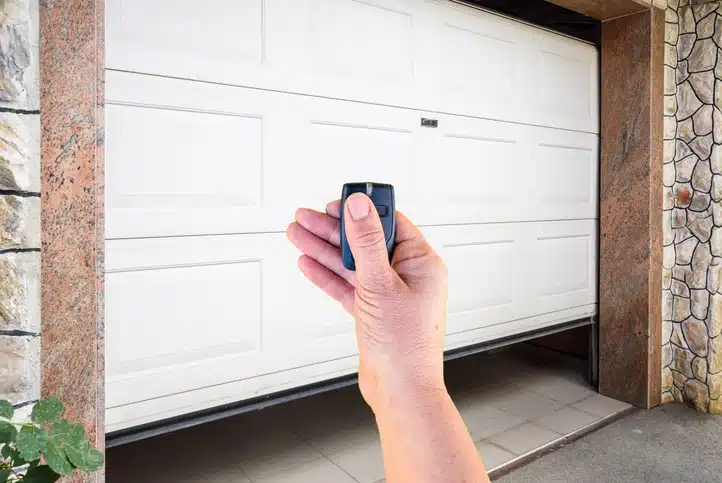
The most familiar accessories are transmitters, wireless keypads, and indoor wall controls. These are the visible, daily-use pieces of the system, and they are often worth upgrading because they affect convenience every single day.
A visor remote sounds basic, but quality varies. Good remotes have reliable range, clear button response, and secure rolling-code technology. Cheap universal remotes sometimes work fine for months and then start behaving unpredictably in cold weather or after battery changes. If you use the garage as the main household entry, a dependable remote is not a luxury.
Wireless keypads are especially useful for Parker families. Children walking home, dog walkers, house sitters, and service providers can enter without needing a physical key or a shared remote. The trade-off is exposure to weather. A keypad mounted on an exterior jamb faces sun, snow, and temperature swings, so build quality matters. Backlit keys help in winter evenings. A sliding cover can extend life, though covers also collect Garage Door Accessories Parker Select Garage Doors dust and can feel flimsy on lower-end models.
Wall consoles have also improved. Some include motion-activated lighting controls, lockout modes that disable remotes when you are away, and simple diagnostics. For households with teenagers, guests, or frequent deliveries, that lock feature can be surprisingly useful.
Smart garage controls, when they help and when they do not
Smart accessories have become one of the fastest-growing parts of the market, and for good reason. Being able to check the door from your phone can prevent a lot of second-guessing. Open and close alerts are helpful, especially if the garage faces the street or if you regularly leave for work before everyone else wakes up. Some systems also allow temporary digital access or tie into broader home automation routines.
Still, smart add-ons are not always the first upgrade I recommend. If your Wi-Fi barely reaches the garage, the experience can be maddening. If your opener is very old, a retrofit controller may work, but not elegantly. Beginners often expect plug-and-play setup and get frustrated by compatibility issues, outdated safety sensors, or the need for extra hardware.
A smart controller makes sense when the mechanical system is already healthy and your home network reaches the garage reliably. It makes less sense when your opener is near the end of its life. In that case, replacing the opener with a newer model that includes built-in connectivity often gives a cleaner result and better long-term value.
The quiet upgrades that make the biggest difference
Some of the best garage door accessories are not flashy at all. They simply make the system smoother, quieter, and easier on the opener. If your garage sits below a bedroom or beside a family room, these upgrades can change the feel of the whole house.
Nylon rollers are a classic example. Many older doors run on steel rollers that get louder as they age. Swapping to quality nylon rollers can cut down noise substantially. The door will not become silent, especially if the track is out of alignment or the hinges are worn, but many homeowners notice the difference immediately. On attached homes, that matters more than most people expect.
Vibration isolation mounts for the opener can help too, particularly if the ceiling structure transfers noise into living areas. Reinforcement brackets on the top section of the door are another underrated item. The opener pulls from that point every day, and without proper reinforcement, the panel can flex and fatigue over time. This is especially important on lighter insulated steel doors.
Then there are hinge upgrades and better lubrication routines. Lubricant itself is not really an accessory in the same sense as a keypad or smart hub, but it belongs in the beginner conversation because people often use the wrong product. A garage door needs a suitable garage-door lubricant on metal moving parts, not heavy grease slathered everywhere and not a generic spray used as a cure-all. Excess product attracts grime and can make a mess.
Weather seals matter more in Parker than many beginners realize
Parker homeowners often notice the garage first in winter, when the floor feels colder and wind sneaks under the door, but summer conditions matter too. Dry air, dust, and strong sun can harden rubber and vinyl parts over time. Weather sealing is one of the most practical categories within Garage Door Accessories Parker because it affects comfort, cleanliness, and in some homes, energy use.
The bottom seal is the usual starting point. It helps close the gap where the door meets the floor. But not all bottom seals fit all retainers, and not all garage floors are level. If the concrete slopes or has settled, a standard seal may still leave small gaps. In that case, a heavier or differently shaped seal can help, though it is important not to create excessive drag that makes the opener strain.
Side and top seals are equally important and are often overlooked. If daylight shows around the perimeter when the door is closed, you are losing more than warmth. You are also inviting dust, insects, and wind-driven moisture. New perimeter vinyl can freshen the seal and improve the appearance of the opening at the same time.
Threshold seals are another option, especially when water or blowing debris enters beneath the door. These mount to the floor and pair with the bottom seal to create a more secure barrier. They can be effective, but they are not perfect for every garage. If vehicles drag snow or mud into the space, the threshold becomes one more edge to clean around. For some households, that is a fair trade. For others, especially where wheeled tools or mobility concerns are in play, it can become a nuisance.
Safety accessories are not optional extras
A garage door is the largest moving object in many homes. Beginners sometimes think of safety components as standard equipment rather than accessories, but in practice they deserve Garage Door Accessories Parker careful attention because replacements and add-ons are common.
Photo-eye safety sensors are the most obvious example. If your door refuses to close or reverses unexpectedly, these sensors may be dirty, bumped out of alignment, or failing. Replacing them with the correct compatible parts can restore safe operation. It is a small component with outsized importance.
Battery backup is another worthwhile accessory, particularly if you rely on the garage as a primary entry point. During a power outage, being able to operate the opener normally can be more than a convenience. It can be a real access issue, especially if the garage door is heavy or if exterior conditions make manual operation unpleasant. Not every opener supports a battery add-on, so compatibility comes first.
Garage door monitors, whether part of a smart system or standalone, can also add peace of mind. A visible status indicator in the house or a phone alert when the door has been open too long is useful for busy households. It sounds simple, but people leave garage doors open more often than they admit.
Decorative accessories, with realistic expectations
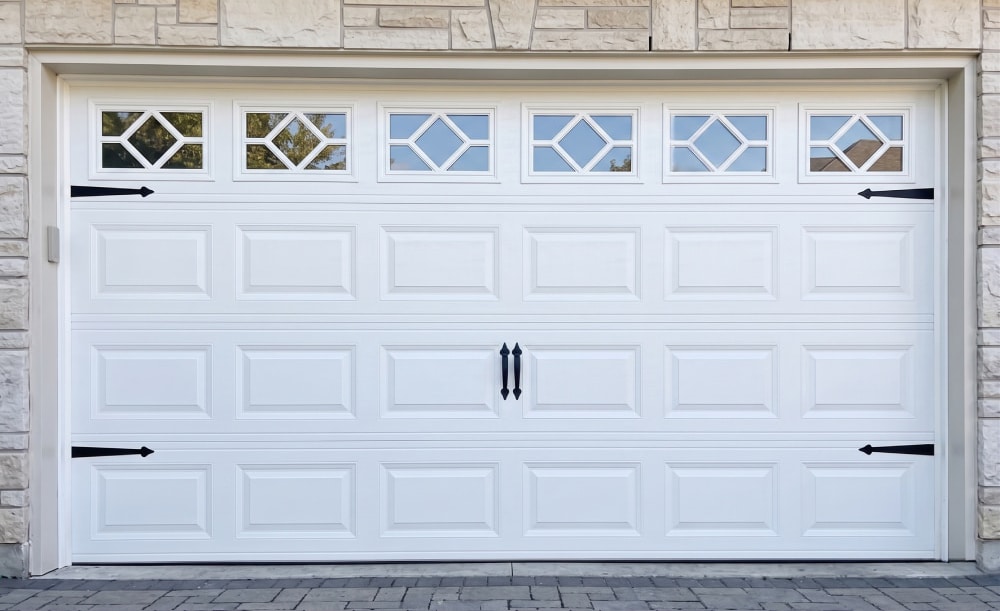
Not every accessory has to solve a technical problem. Decorative hardware, faux hinge straps, and carriage-style handles can change the look of a basic garage door without replacing the door itself. This can be a smart move if the door is structurally sound and the goal is curb appeal on a reasonable budget.
The key is choosing materials that can tolerate outdoor exposure. Thin stamped pieces with weak adhesive or cheap finishes can fade or loosen quickly in strong sun and temperature shifts. Better decorative kits fasten more securely and have finishes designed for exterior use. They still need occasional inspection. If a piece loosens and interferes with operation, a cosmetic upgrade can become a functional headache.
Window inserts and trim options also fall into this category, though they are more involved. They can improve appearance and bring in natural light, but they may affect insulation and privacy. For a beginner, these are worth considering only after the essentials are sorted out.
How to tell if an accessory is actually compatible
Compatibility is where many first-time buyers lose time and money. Garage door openers use brand-specific communication protocols, accessory ports, and safety requirements. Even within one manufacturer, older and newer product lines may not talk to each other the same way.
Start with the opener’s model number. Then look for matching compatibility details from the manufacturer, not just a marketplace listing that says “works with most openers.” The phrase “most” hides a lot of disappointment. Universal remotes are often genuinely broad in their support, but keypads, smart hubs, battery systems, and wall consoles can be more selective.
For door-mounted accessories, dimensions matter. Bottom seals slide into specific retainer shapes. Reinforcement brackets must match door section style. Decorative hardware should clear joints and windows. If the accessory interacts with the moving parts of the door, exact fit matters more than looks.
A short pre-purchase check can save a weekend:
- Confirm the opener brand and model number.
- Measure the door width, height, and visible seal dimensions.
- Check whether the accessory is for sectional doors, one-piece doors, or both.
- Verify power requirements, app requirements, or Wi-Fi needs if the item is electronic.
- Read a few low-star reviews specifically for fit or setup problems, not just complaints about shipping.
That little bit of homework separates a clean install from a return label.
What is usually worth doing yourself
Some accessories are well within beginner range. Remotes, keypads, wall buttons, smart controllers designed for retrofit, and many weather seals can often be installed by a careful homeowner with basic tools and patience. Decorative hardware is also generally manageable if the mounting method is simple and the door material allows it.
Other jobs deserve caution. Anything involving springs, major track adjustments, cable systems, or structural reinforcement near highly tensioned components should not be approached casually. Even experienced DIYers get into trouble when they assume a garage door behaves like ordinary household hardware. It does not. The stored force in torsion or extension systems is real.
If you are unsure whether a task crosses the line, ask a technician where the actual risk lies. Most good pros will tell you plainly whether you are dealing with a safe add-on installation or with a repair that belongs in trained hands.
Budgeting without buying twice
Beginners often try to solve every garage annoyance at once, then overspend on convenience items before fixing fundamentals. A better approach is to improve the system in layers.
If the door is drafty, start with seals. If it is loud, inspect rollers and hardware. If access is clumsy, add a keypad or better remotes. If you want oversight and alerts, then move into smart controls. This sequence usually delivers better daily results than starting with the most interesting tech product.
Here is a sensible priority order for many homes:
- Safety items and any failed components.
- Weather sealing and noise reduction.
- Access upgrades such as remotes and keypads.
- Smart monitoring and app control.
- Decorative additions.
That order is not glamorous, but it tends to produce fewer regrets.
Price ranges vary too much by brand and door style to pretend otherwise, but one pattern holds. The least expensive option is often not the best value if it is exposed to weather, used every day, or expected to integrate with other equipment. For something like a keypad or smart controller, reliability matters more than saving a small amount up front.
Common beginner mistakes in Parker garages
The first mistake is ignoring the garage floor when choosing seals. A slightly uneven slab can defeat a new bottom seal and make the product seem defective when it is really a fit issue.
The second is assuming the opener is the whole system. A strong opener cannot compensate for a door that binds, rattles, or leaks badly. Accessories should support the system, not mask neglected wear.
The third is buying smart accessories without checking signal strength in the garage. If the phone app works only when you stand in one corner with perfect Wi-Fi, you do not have a solution, you have a new irritation.
The fourth is neglecting sun exposure. Exterior plastics, rubber, and adhesives age faster than beginners expect. If an accessory sits on the south or west side and gets hard afternoon sun, durability should weigh heavily in the decision.
The fifth is skipping small maintenance after installation. Even a good accessory needs occasional battery changes, cleaning, and inspection. A keypad with dying batteries or sensors with dusty lenses can mimic bigger failures.
Choosing a local pro when the job goes beyond accessories
There comes a point where the smartest accessory decision is hiring the right technician. That is especially true if your planned upgrade overlaps with structural repairs, opener replacement, spring service, or repeated unexplained malfunctions. A knowledgeable local company can tell you whether your money is better spent on add-ons or on replacing aging core components.
When Parker homeowners ask about Garage Door Accessories Parker, a reputable professional should ask follow-up questions, not just try to sell a package. They should want to know the door age, opener type, use pattern, noise concerns, and weather issues. If someone pushes expensive accessories without addressing obvious wear or safety concerns, that is a red flag.
Local experience matters because weather and housing styles influence what works. A detached garage used mostly for storage has different priorities from an attached garage that functions as the household’s main entrance. Likewise, a newer insulated door in a suburban development may need little more than convenience upgrades, while an older door on a settled slab may benefit most from improved sealing and reinforcement.
The accessories that tend to pay off over time
Over the years, the accessories that most consistently justify themselves are the ones tied to everyday friction. A dependable keypad saves lockouts. Good perimeter seals keep dust and cold down. Quieter rollers make the house feel calmer. A battery backup proves its worth the first time the power goes out at the wrong moment. Smart monitoring earns appreciation from people who do not like that nagging feeling halfway to work.
Not every garage needs every add-on. That is the part beginners should remember. The best setup is not the one with the longest feature list. It is the one that fits the actual way you use the space, the condition of the existing door, and the realities of Parker weather.
Once you look at accessories through that lens, the choices become much clearer. You stop shopping for gadgets and start solving problems. That shift, more than any single product, is what leads to a garage door system that feels reliable, quiet, and easy to live with day after day.
Select Garage Doors
11479 Pine Dr
Parker, CO 80134, United States
Phone: (303) 228-0018
FAQ About Garage Door Accessories Parker
Where can I find garage door accessories?
Garage door accessories are available from garage door service companies, authorized dealers, home improvement stores, and specialist suppliers. Select Garage Doors supplies and installs accessories for homeowners in Parker, including compatible remotes, wireless keypads, weather seals, and smart controls. Check your opener model and door specifications before choosing a replacement or upgrade.
How to make a garage door more attractive?
Cleaning the door, refreshing a manufacturer-approved finish, and choosing coordinated decorative handles or hinge accents can improve its appearance. Compatible window inserts may also change the look of an existing window section. Match accessories to the door material and style, and make sure added hardware does not interfere with movement, seals, or safety equipment.
Where can I buy garage door inserts?
Decorative window inserts can be sourced through the door manufacturer, an authorized garage door dealer, or a supplier that carries parts for your specific door series. Match the model, window frame dimensions, and attachment system; inserts are not universally interchangeable. Ask a professional to confirm compatibility before ordering, especially if the work involves glass or changes to a door section.